
The Death Of The Spreadsheet
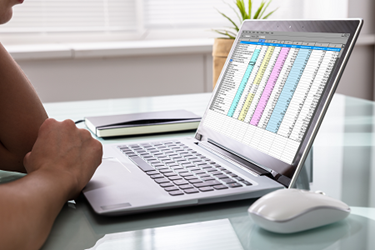
Data is everywhere, and companies who harness it can make better business decisions with less risk, ascertain the average time required to complete a project, defend themselves against adverse claims, and even learn who their most (and least) productive team members are.
Almost any question can be answered with enough data.
Many teams will discuss the best way to extrapolate and utilise data before a process is put in place; however, perhaps the questions they should be asking are how and where the data should be collected and stored...
Even today, companies are scrolling through spreadsheets spanning years of data, hoping that the recorded information is accurate. But there is a better way. Software providers mpro5 showcase how alternative software is causing the death of spreadsheets, and the birth of new data analysis and storage.
Reducing cumbersome data entry
Manual data entry into a spreadsheet leaves too much margin for error. Particularly for teams that operate in the field and that may be unable to upload their findings or project completion confirmations until a later date or time.
Relying on notes or memory when filling in spreadsheets could easily result in dirty data that impacts future decisions. Additionally, when more than one team member has access to a spreadsheet, the risk of duplicate entries or accidental data manipulation increases.
Platforms are available now that allow team members operating in the field to update their reports while on the job, while simultaneously removing duplicate entries, and automatically producing reports based on preset KPIs. This increases the data's reliability and allows the team to spend more time on tasks that actually matter.
Visualisation however you want it
Producing charts and graphs from spreadsheets is fiddly and time-consuming. Not only do team members have to identify the best visualisation for a specific set of data, but they have to ascertain which data sets are the most valuable for the conclusions they are trying to draw.
Apps and platforms can do this menial task for you. Whether you are looking for a histogram or a classic and straightforward visualisation of numerous KPIs, a machine can take over, saving valuable time.
Easy-to-see performance comparisons
If your business has been operational for several years, chances are you’ll have numerous spreadsheets labelled by year or function. While this has been a great organisational tactic in the past, you can now store all related information, even cross-departmental data, in the cloud, and access it quickly and easily whenever you need it.
Gone are the days of frantically searching through spreadsheet after spreadsheet, trying to grab pieces of data so that you can compare year on year on year performance. Today preparing reports for key stakeholders is quicker than ever since AI is now capable of sorting through data and presenting it in an easy-to-understand format.
While we may nostalgically miss the spreadsheet, we certainly don't miss the slog that came with the package. Whether your business would operate best with a mobile app or some other online platform to collect, store and visualise your data, we can guarantee that when it comes to entering data manually into spreadsheets and keeping them on a desktop, there are better ways.