
Increasing Truck Parking Through Direct Federal Funding And Regional Government Support
By Fred Fakkema, Vice President, Safety & Compliance, Zonar
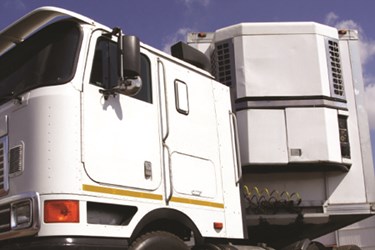
The lack of truck parking has been a top ten industry concern for the last decade, according to the latest American Transportation Research Institute Top Industry Issues report. This is a problem in every state and region, resulting in trucks parked in unsafe and sometimes illegal areas, like the shoulders of freeways which creates safety hazards for all drivers on the road.
Most recently, the boom of online shopping delivery demands during the pandemic, supply chain issues, and federal mandates on driver COVID-19 vaccination requirements have made it difficult for fleet organizations to keep up with demands, especially with fewer drivers due to the current truck driver shortage.
Striking a Balance Between the Law, Finances, and Safety
This issue brings up a dangerous dilemma for drivers and law enforcement. With Hours of Service (HOS) rules stating that drivers must take a break every eight hours of consecutive driving to avoid fatigue, drivers might be tempted to keep driving and violate the mandate to keep driving to find a proper parking stop or force them to park unsafely. This can significantly compromise highway user safety. There is also no simple way for law enforcement to address these illegally parked trucks. Trucks are required by law to stop and rest, but as there is no place to do so ticketing them would be unfair as the problem is out of the driver’s control.
Not only is this a safety and compliance concern, but also an economic issue for the entire fleet organization. The time spent looking for available parking costs the average driver about $5,500 in direct lost compensation or a 12% cut in annual pay, according to the American Trucking Associations (ATA) Truck Parking Shortage report. In 2019, the Federal Highway Administration (FHWA) reported that drivers who regularly have trouble finding truck parking had peaked from 75 in 2016 to 98 percent as of 2019. There is also a financial impact on drivers themselves. Since drivers are paid by the miles driven, the off-delivery hours wasted searching for a parking location ultimately shortens their day and decreases their pay.
There is simply not enough truck parking capacity in busy locations, especially along key freight corridors and outside metropolitan areas. Advocating for more federal funding for truck parking, overcoming regulatory burdens, and providing necessary communication tools for the limited parking that is available are important steps to solving this growing safety concern across the nation.
Directing Federal Funding for Parking Initiatives
Creating a dedicated federal funding program can build the foundation to get the necessary resources to expand increased parking capacity at freight-critical locations, such as highly populated cities and pick-up stations. Recently, a $1 billion truck parking grant was removed from a highway bill provision introduced in the House of Representatives, making it less likely to be achieved, and creating frustration among many industry groups.
The Truck Parking Safety Improvement Act that is currently in review with congress is an important step towards legislation that would dedicate existing highway funding to projects that help solve this issue. Recently, the Biden administration also passed the Infrastructure Bill that will also help fund multiple transportation projects.
While the push for funding is making its way up to the federal government, most funding is not specifically allocated to parking initiatives. The trucking community needs to push for more funding used to develop new spaces at both public and private facilities, while also helping public entities convert existing facilities.
Overcoming Government Regulatory Burdens
Local and regional governments must be responsible for reducing the regulatory burdens, including expensive prices, long licensing processes, limited land availability, and unnecessary policies that add additional hurdles and limit the construction and expansion of truck parking facilities near major metropolitan areas.
Metropolitan areas are often densely populated, driving increased consumer demand for delivery productivity and making these areas a critical hotspot for trucks. Creating truck parking around these areas would significantly lessen the burden on drivers.
Unfortunately, Local governments often have tedious policies adding to the complexity and prolonging the addition of more parking facilities, specifically those near businesses and commercial districts. This makes the lack of truck parking counterproductive in areas that demand deliveries of essential goods.
Encouraging government leaders to prioritize building parking stations and creating a seamless process to do so is critical in helping to support this initiative. There are many trucking groups like ATA that need support from common citizens to encourage lawmakers to get funding solutions over the finish line.
Implementing Roadside Communication Tools
On a state and local government level, there is also a need to expand the accessibility of accurate, real-time truck parking information on changeable roadside message signs that will help drivers have a better understanding of what lots are available.
According to the latest ATRI study, 15 percent of drivers rely exclusively on roadside message signs for their parking information. States have also adopted tools that allow them to share locations of accessible space counts at upcoming exits with drivers through smartphone apps. While this may not solve the issue of limited parking, it will decrease crowded lots and disperse trucks to a variety of different locations, helping drivers plan their routes to avoid idle time.
Truck drivers deserve a safe area to take a break from long stretches of highway miles. Delegating federal funding, limiting regulations, and streamlining messaging formats can help lessen the weight that drivers already carry as essential workers delivering critical goods to citizens and businesses every day.